Fun Bite
Abalone porridge
By Hannah2 min read
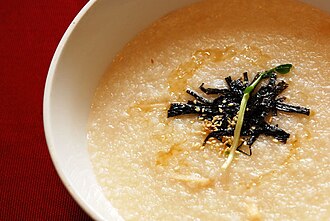
Picture a chilly morning in South Korea, where families gather to enjoy a warm, soothing bowl of abalone porridge, or jeonbokjuk. This dish has a rich history that traces back to the Goryeo Dynasty (918–1392), when abalone, a prized shellfish, was harvested by women divers known as haenyeo off the southern coasts of Korea. Abalone was considered a delicacy, reserved for royalty and those recovering from illness due to its esteemed status. It was even thought to have healing properties, making it a symbol of health and vitality. The porridge itself is made by simmering abalone with rice, resulting in a smooth and savory dish that is light yet full of flavor. Abalone is sometimes referred to as the "emperor of seafood" due to its royal history and high value in ancient times. It’s believed to aid in digestion, and many Koreans continue to view it as a healthful food, perfect for those feeling under the weather or in need of nourishment. Jeonbokjuk has endured through generations, remaining a comforting, cherished dish that connects Koreans with their cultural heritage and traditional beliefs about food as medicine. Whether enjoyed for its soothing qualities or its rich taste, abalone porridge continues to be a beloved meal, especially on cold mornings, offering warmth and healing in every spoonful.